
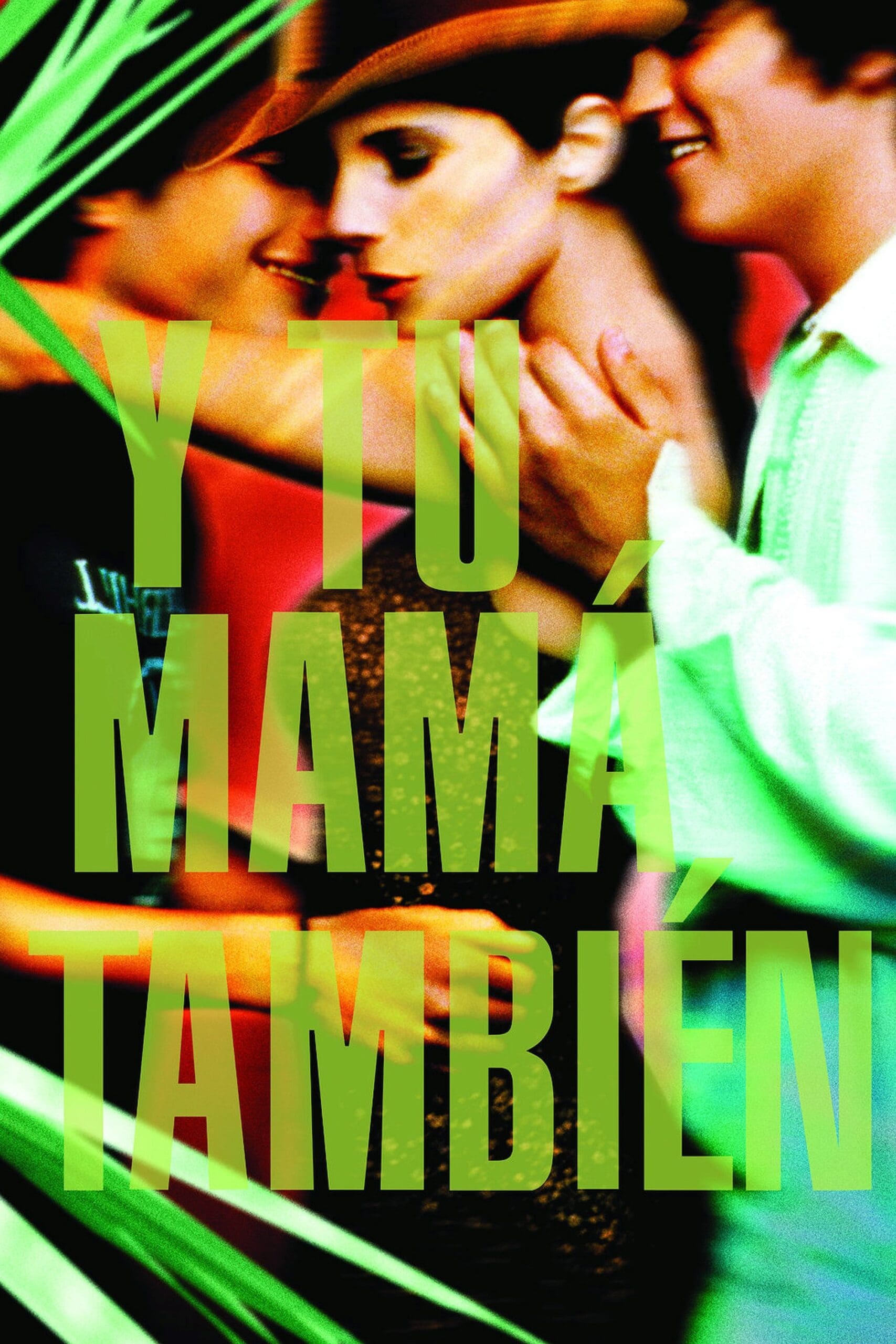
Book + Film June Club: SHOUT – Y tu Mamá También
Life has its ways of teaching.
Alfonso Cuarón
In-Person
Sidewalk Film Center + Cinema
Jun 17
Sidewalk’s Book + Film Club unites movie and book lovers for a monthly film screening. Each session is $35 and the includes book, film screening, and discussion. Select the $15 option for access to the film screening and post film discussion. Dates, descriptions, and registration deadlines below.
Registration Deadline to have books picked up: Friday, June 5th. Books will be mailed within 72 hours of this date.
Registration Deadline to have books picked up: Wednesday, June 10th. Books can be picked up from our Box Office during our regular operating hours Thursday & Friday from 2pm til Close and on Saturday & Sunday from 10:30am until close.
Book: Y tu Mamá También (Queer Film Classics) by Juan Llamas-Rodriguez
A classic of New Mexican Cinema, Y Tu Mamá También courted controversy with its explicit depictions of teenage sexuality and its forthright perspective on the country’s inequality. The cinematic sensation gained international accolades for its mixing of genres and film styles and inspired a wide body of writing from both critics and scholars. The multimedia lives of Y Tu Mamá También (especially in music, music videos, and social media) have kept the film relevant for audiences too young to have seen it when it debuted. Juan Llamas-Rodriguez revisits Y Tu Mamá También after more than two decades of social, industrial, and technological change to show how it astutely captures a particular moment in Mexican history and film production. The film was a turning point for Mexican stardom on the world stage, and the performances and celebrity of its stars, Diego Luna and Gael García Bernal, reframed millennial Mexican masculinities. The eclectic and popular bilingual soundtrack is a focal point, read as engendering a queer listening and as an integral aspect of the film’s queering of time. Rather than being legibly classified as gay or bisexual, Y Tu Mamá También flouts sexual mores and national stereotypes and continues to spur new forms of longing and desire among audiences today. Moving beyond heavily debated questions of identity and representation, Llamas-Rodriguez explores the waves of reception, scholarship, celebrity culture, and social media content around Y Tu Mamá También that have shaped its queer legacy, and the circuits of influence that enliven global cinema across media and national borders.
Film: Y Tu Mamá También (2001) Dir. Alfonso Cuarón
In Mexico, two teenage boys and an older woman embark on a road trip and learn a thing or two about life and each other.